February 27, 2026
Car restoration has experienced a resurgence in recent years, captivating a diverse audience ranging from seasoned automobile enthusiasts to newcomers seeking a rewarding hobby. The art of restoring vehicles not only serves as a bridge to our automotive past but also offers a practical avenue to engage with the evolving landscape of modern vehicular technology. As modern society places increasing value on history and personal fulfillment, this activity has become a conduit for both investment and enjoyment. By examining the reasons behind this trend, we can better understand the broader implications for individuals and communities alike.
1. Nostalgia and Cultural Connection
Revival of Classic Car Culture
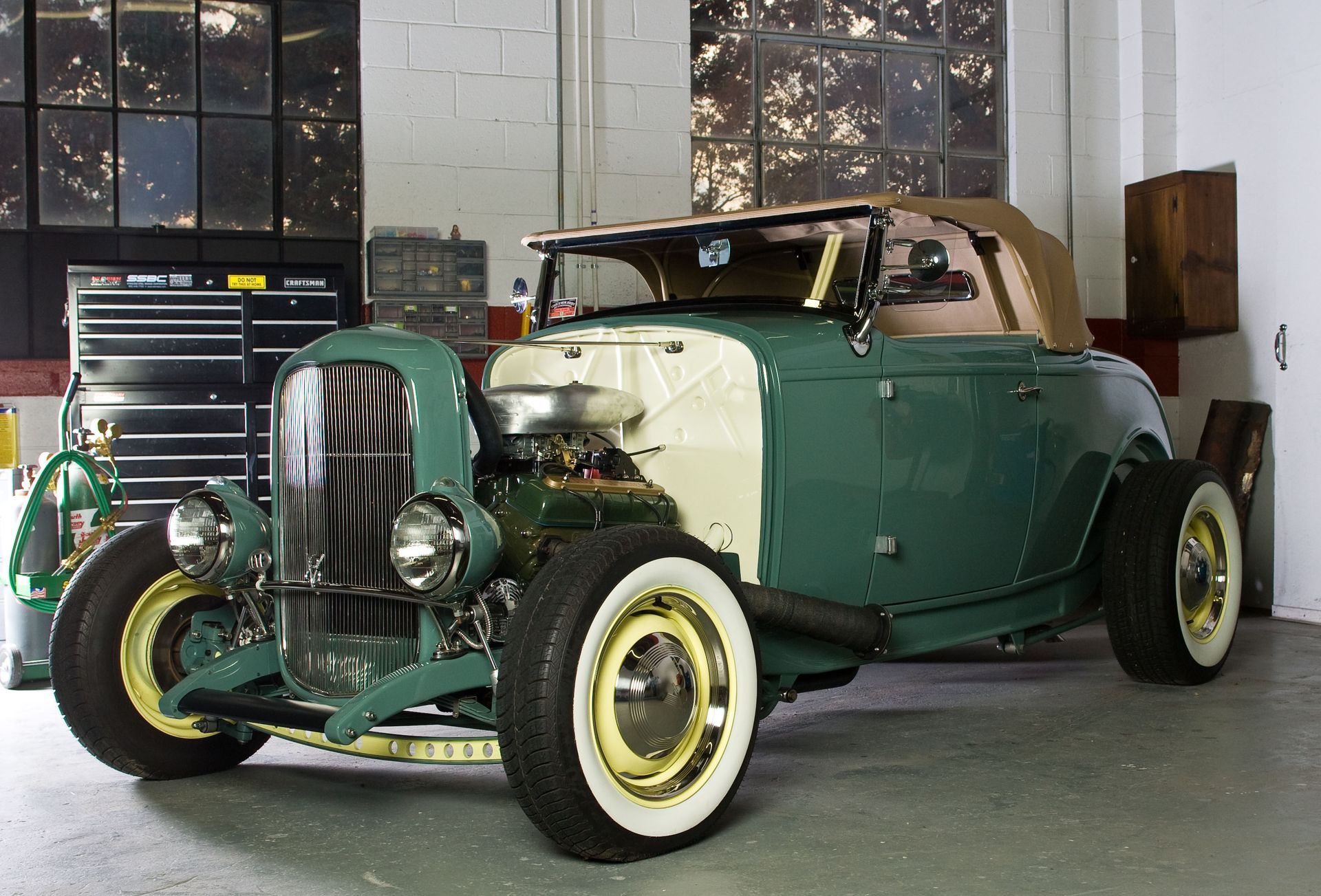
The revival of classic car culture has been a significant driving force behind car restoration. Many enthusiasts are drawn to the soulful charm that classic cars offer, as they represent a tangible link to the past. Owning or restoring a classic car is more than just a display of wealth; it's a commitment to preserving automotive history. This deep reverence for older models has led to a renewed interest in sourcing and restoring classics that resonate with personal or familial history. Car clubs and associations have played a vital role in this resurgence by providing a community and resources for enthusiasts to share their passion.
Influence of Movies and Media
Movies and media have a powerful impact on cultural trends, and car restoration is no exception. Iconic films often feature classic cars that develop their own followings, inspiring viewers to pursue restoration projects. This cinematic portrayal can romanticize the experience of driving and owning a vintage vehicle, igniting the public's imagination. Moreover, television shows dedicated to car restoration have increased access to the technical aspects of this hobby, making it more approachable for novices. This exposure ensures that the cultural fascination with classic cars is continually reignited, inviting new generations to participate.
Emotional Attachment to Family Heirlooms
For many, the impetus to restore cars can originate from an emotional connection rather than a technical interest. A classic car can be a family heirloom, passed down through generations with each owner leaving a personal imprint. Restoring such vehicles is a way of honoring family history, creating a living legacy that embodies memories and shared experiences. This personal connection provides motivation that transcends the project's mechanical aspect, blending sentiment with craftsmanship. Through restoration, families reinforce their emotional ties while preserving an artifact of their shared past.
Appreciation for Automotive History
An appreciation for automotive history can also drive interest in car restoration. Older cars can act as time capsules, offering insights into the technological advancements and stylistic choices of different eras. Enthusiasts who engage in restoration appreciate the craft and design that define these historical models, seeing each vehicle as a work of art. Their efforts not only breathe new life into these cars but also offer future generations a chance to experience them firsthand. This dedication to preserving the past helps maintain a comprehensive narrative of automotive history that serves to educate and inspire.
2. Financial Investment Opportunity
Rising Market Value of Restored Cars
The financial potential of car restoration is increasingly recognized as an attractive investment opportunity. According to Yahoo Finance, the market for automotive restoration parts and services was estimated to reach $16.94 billion in 2025. As demand for restored cars remains high, their market value continues to rise, providing significant returns for savvy investors. Classic cars are often seen as a stable investment, offering returns that sometimes outpace traditional financial markets. Restoring a vehicle not only enhances its aesthetic condition but also bolsters its economic worth, making it a lucrative endeavor for those who appreciate historical automobiles.
Tax Benefits and Incentives
Tax benefits and incentives can further augment the financial appeal of car restoration. Certain jurisdictions offer tax breaks to individuals investing in vintage vehicles, recognizing them as collectibles with historical significance. These incentives can offset some of the costs associated with restoration, providing additional financial advantages. Moreover, restored cars are sometimes eligible for grants or subsidies to preserve their cultural and historical importance. While not universal, such benefits underscore the broader societal value placed on restoration projects.
Demand for Authentic and Original Parts
The demand for authentic and original parts fuels the car restoration economy. As more enthusiasts seek to restore vehicles to their original glory, the market for rare parts and components has become highly lucrative. The ability to source genuine parts can significantly affect the restored vehicle's value and authenticity, drawing increased attention to this area. Specialty markets and online platforms have emerged to meet this demand, providing restorers with access to previously hard-to-find items. Success in sourcing authentic parts not only elevates the quality of a restoration project but also increases its market value.
Economic Trends Supporting Restoration
Several economic trends have supported the rise in car restoration activity. Firstly, increasing disposable incomes allow enthusiasts greater flexibility to engage in hobbies like restoration. Additionally, the global appreciation for tangible investments has grown, as traditional asset classes like stocks and bonds face volatility. Restoration provides a hands-on investment opportunity where the input directly influences the asset's value. Consequently, economic environments that favor such investments have led to more individuals pursuing vehicle restoration as a financially viable and personally satisfying pursuit. Lastly, the growing awareness of sustainable investments aligns with restoration practices, giving an ethical dimension to this economic activity.
3. Self-Made Ethos and Personal Satisfaction
Empowerment through Skill Development
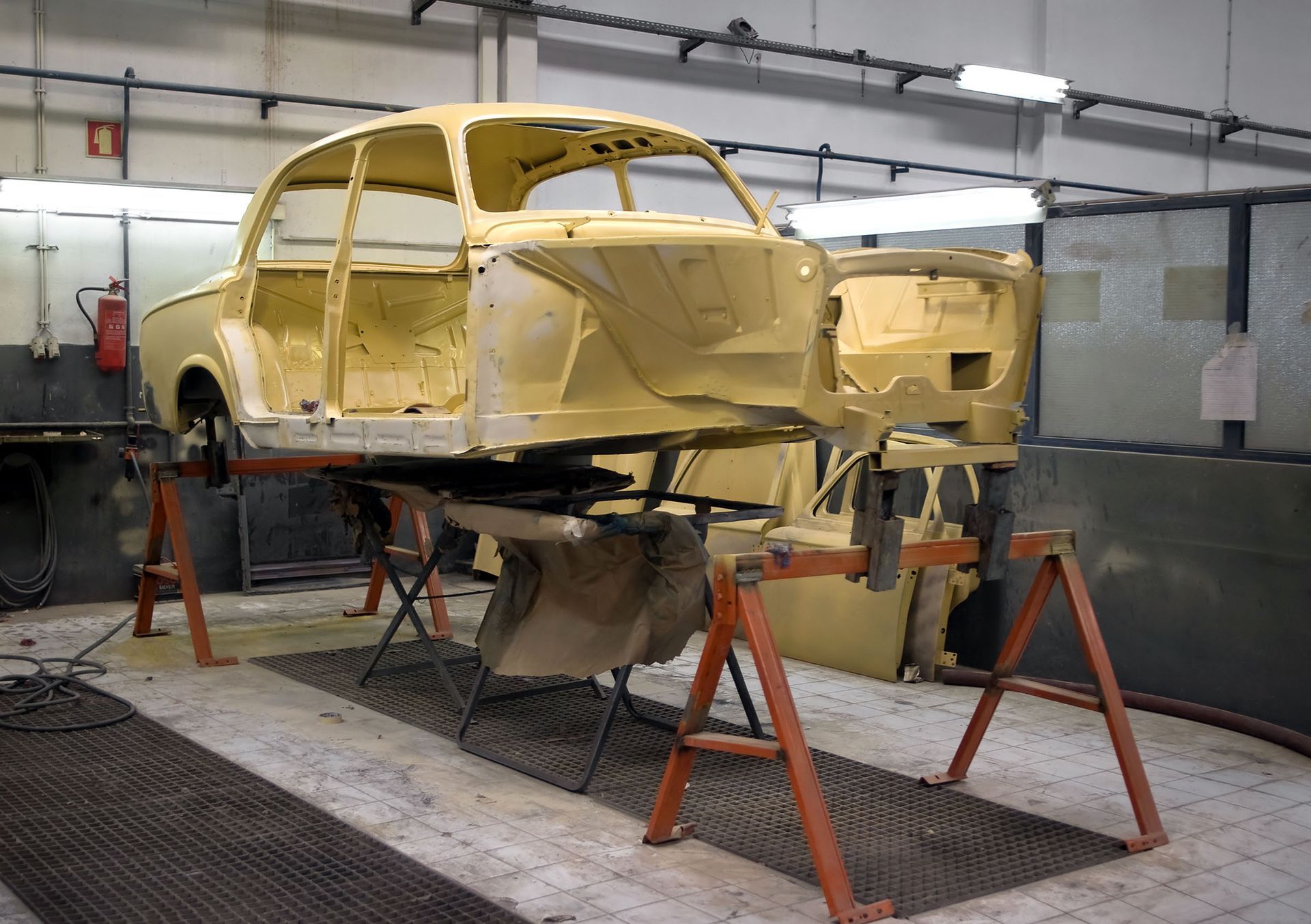
Car restoration embodies the self-made ethos, attracting individuals who revel in developing new skills. This hobby requires a diverse set of competencies, such as mechanical knowledge, bodywork, and electrical engineering. As enthusiasts refine these skills, they experience a sense of empowerment that extends beyond the restoration project. The ability to transform a dilapidated vehicle into a masterpiece is a testament to personal growth and accomplishment. This empowerment fuels the passion for restoration, encouraging enthusiasts to continually tackle new and challenging projects.
Sense of Accomplishment and Pride
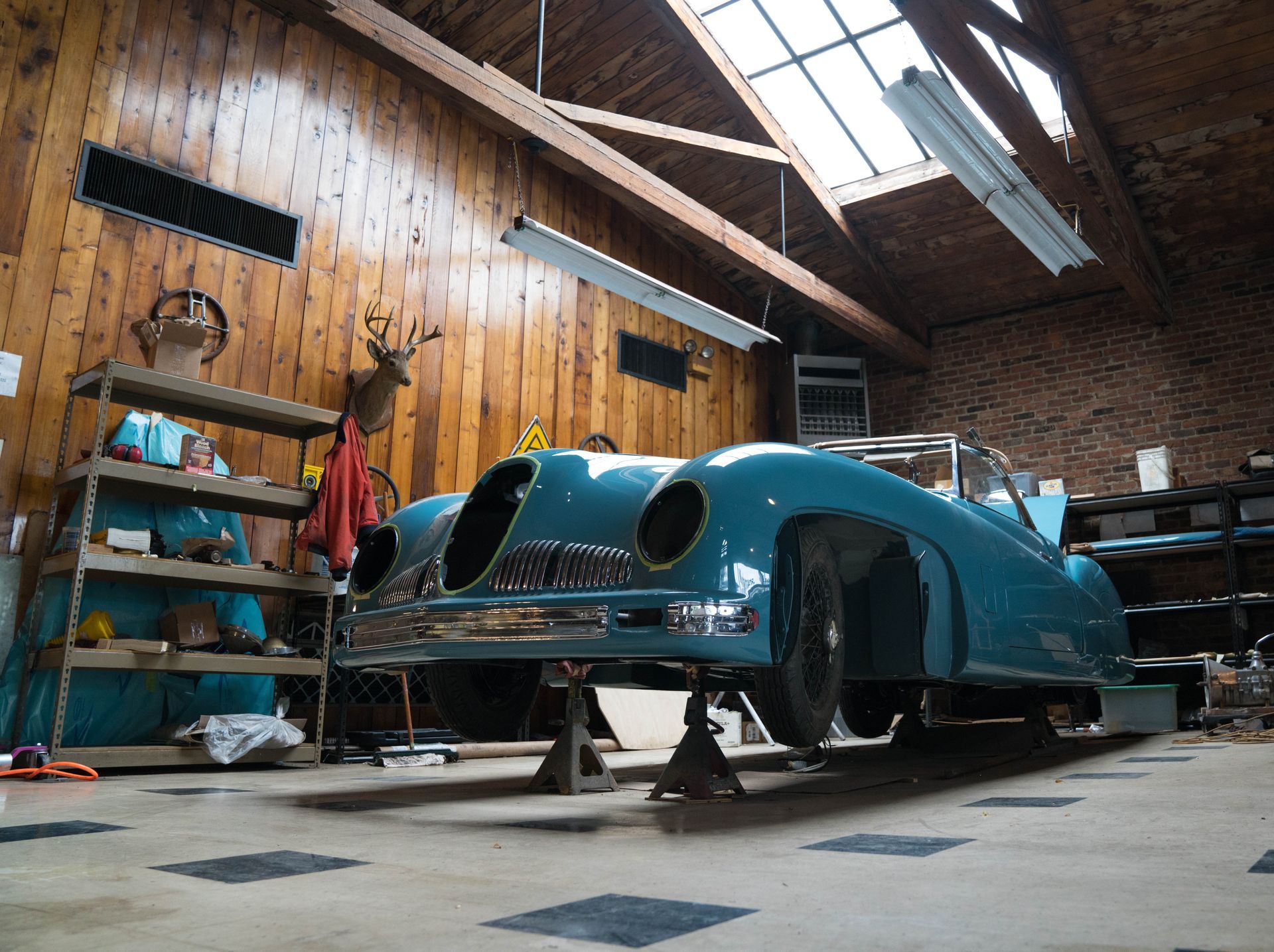
The sense of accomplishment and pride that accompanies car restoration is immensely gratifying. Completing a restoration project involves overcoming numerous challenges and setbacks, and the culmination of these efforts brings immense satisfaction. Each phase of the project represents a significant milestone, reinforcing the restorer's dedication and perseverance. Sharing the completed vehicle with friends, family, and the wider community enhances this pride, as others appreciate the craftsmanship involved. Restorers often find the pride derived from these projects to be a primary motivator, inspiring them to further refine their skills and engage in future restorations.
Building a Personal Legacy
Car restoration allows enthusiasts to build a personal legacy, leaving behind something tangible for future generations. Vehicles, especially those that hold sentimental or historical value, provide meaningful connections that transcend time. A successfully restored car can transform into a cherished family heirloom, imbued with personal narratives and memories. This notion of creating a lasting legacy resonates with restorers, driving them to invest time and resources into their projects. By restoring and maintaining these vehicles, enthusiasts ensure their stories endure, fostering continuity and connection with the past.
Customization and Creativity Freedom
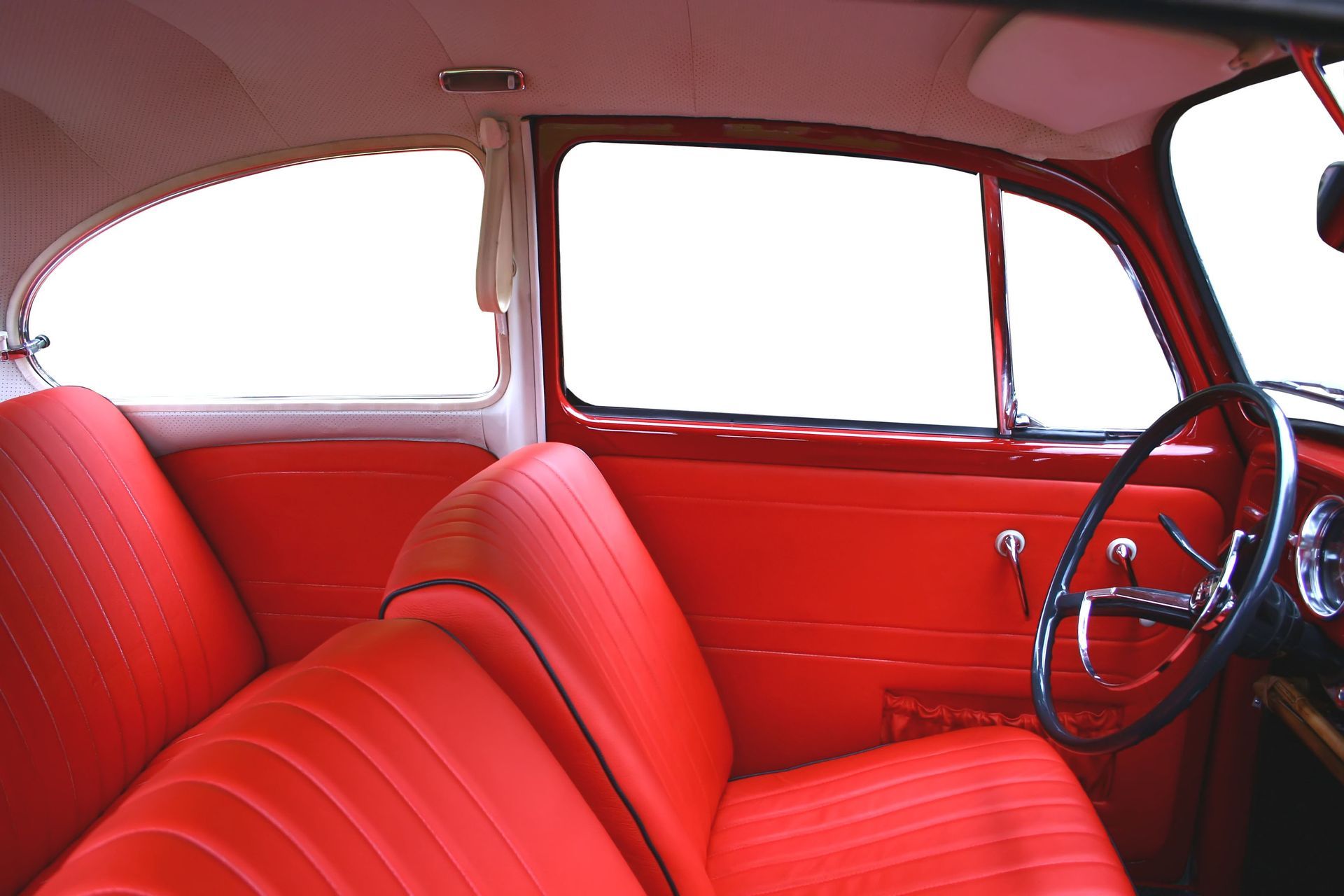
Restoration projects offer a unique opportunity for customization and creative expression. While some restorers prefer maintaining original specifications, others relish the chance to personalize their vehicles. This freedom to modify allows for creativity in design choices, from paint colors to interior upholstery and custom features. Such creativity not only enhances the car's aesthetic appeal but also reflects the restorer's individual style and preferences. This customization creates a one-of-a-kind vehicle, making the restoration process both a technical endeavor and an artistic journey.
The increasing interest in car restoration is supported by various interconnected factors ranging from cultural nostalgia to environmental awareness and technological advancements. Whether driven by investment potential or personal satisfaction, car restoration appeals to a broad spectrum of individuals. As trends continue to evolve, the car restoration industry is likely to see sustained growth, with innovations in tools, materials, and digital resources making the process more accessible and precise. If you're interested in restoring your vehicle, be sure to contact Lowcountry Paint, Body & Restoration!