August 27, 2026
Classic cars represent more than transportation. For many owners, they are pieces of automotive history, treasured investments, and vehicles that carry personal memories. As interest in preserving and rebuilding vintage automobiles continues to grow, choosing the right restoration professional has become an important part of the ownership experience. A qualified classic car restoration service can help bring an aging vehicle back to life while preserving the details that make it historically and visually significant.
Not every restoration provider offers the same capabilities, craftsmanship, or approach to project management. Before handing over a valuable vehicle, owners should evaluate a company's experience, available services, previous work, pricing, timeline, and communication practices. Understanding these factors can make it easier to identify a provider that fits the vehicle and the owner's restoration goals.
What Qualifications and Experience Should a Classic Car Restoration Service Have?
Experience is one of the most important qualities to consider when selecting a classic car restoration service. Older vehicles can have unique mechanical systems, hard-to-find components, specialized body construction, and materials that differ significantly from those found in modern cars. A provider with years of experience working on vintage automobiles is more likely to understand these differences.
Ask potential restoration companies how long they have been performing restoration work and what types of vehicles they commonly handle. Experience with a particular manufacturer, model, or era can be especially valuable when originality is a priority. Familiarity with period-correct components and construction techniques can help preserve the character of the vehicle rather than giving it a generic modern appearance.
Training and technical knowledge also matter. Restoration may involve mechanical repair, welding, bodywork, paint preparation, electrical systems, upholstery, and engine rebuilding. A professional provider should either have qualified personnel capable of handling these tasks or maintain relationships with reputable specialists.
It is also worth asking whether the shop has experience handling projects similar in scope to yours. Restoring a vehicle that needs cosmetic improvements is very different from rebuilding a car that requires extensive structural, mechanical, and interior work.
What Services Should I Expect From a Classic Car Restoration Provider?
A comprehensive classic car restoration service should be capable of addressing multiple aspects of a vehicle's condition. Depending on the project's needs, services may include mechanical repairs, engine rebuilding, transmission work, brake restoration, suspension repairs, electrical work, bodywork, paint, interior restoration, and trim replacement.
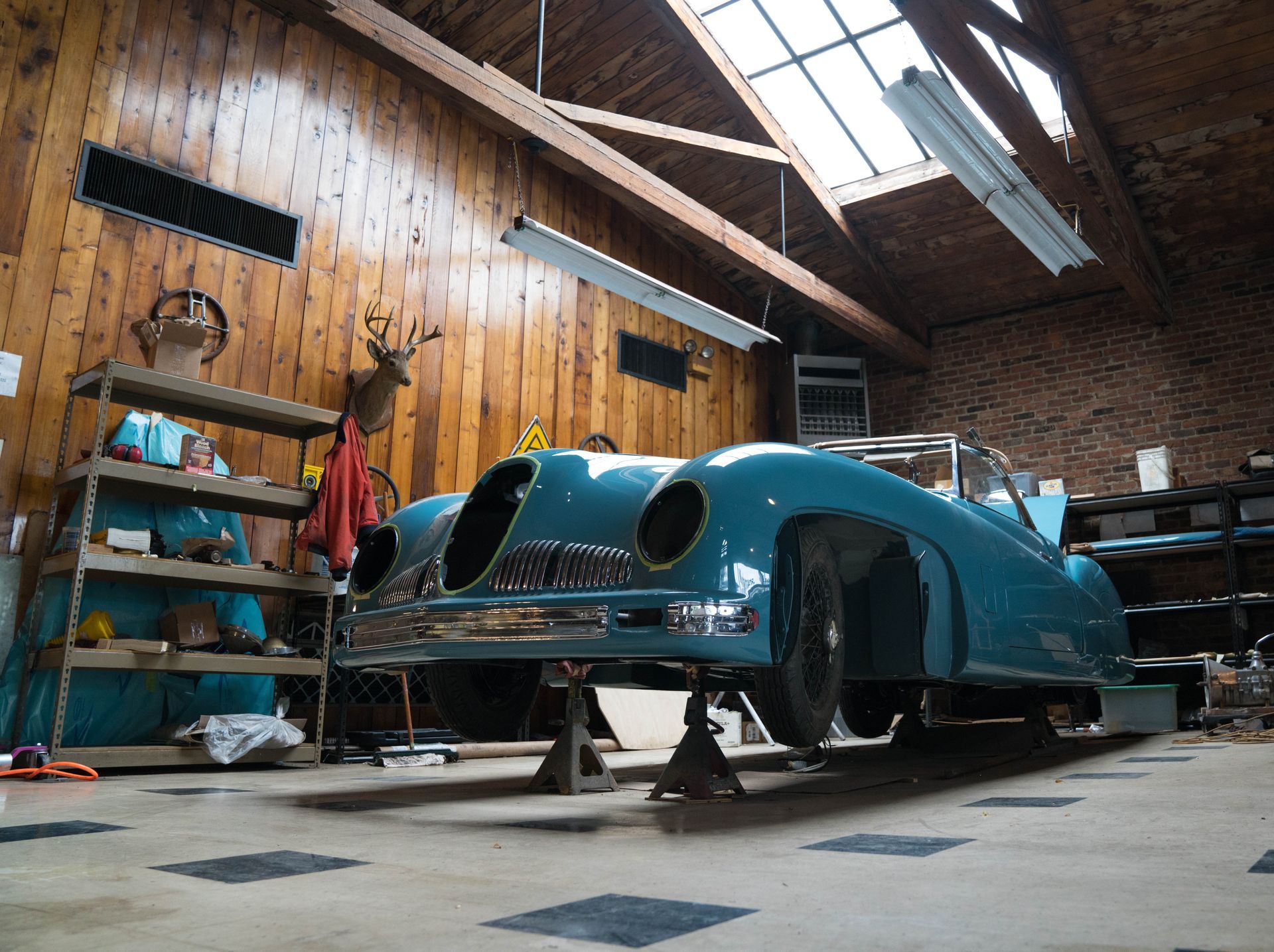
Some owners may only need specific repairs, while others may want a complete frame-off restoration. Before work begins, discuss exactly what services the provider can perform in-house and which tasks may be outsourced. This distinction can affect both the timeline and the level of control the shop has over the finished product.
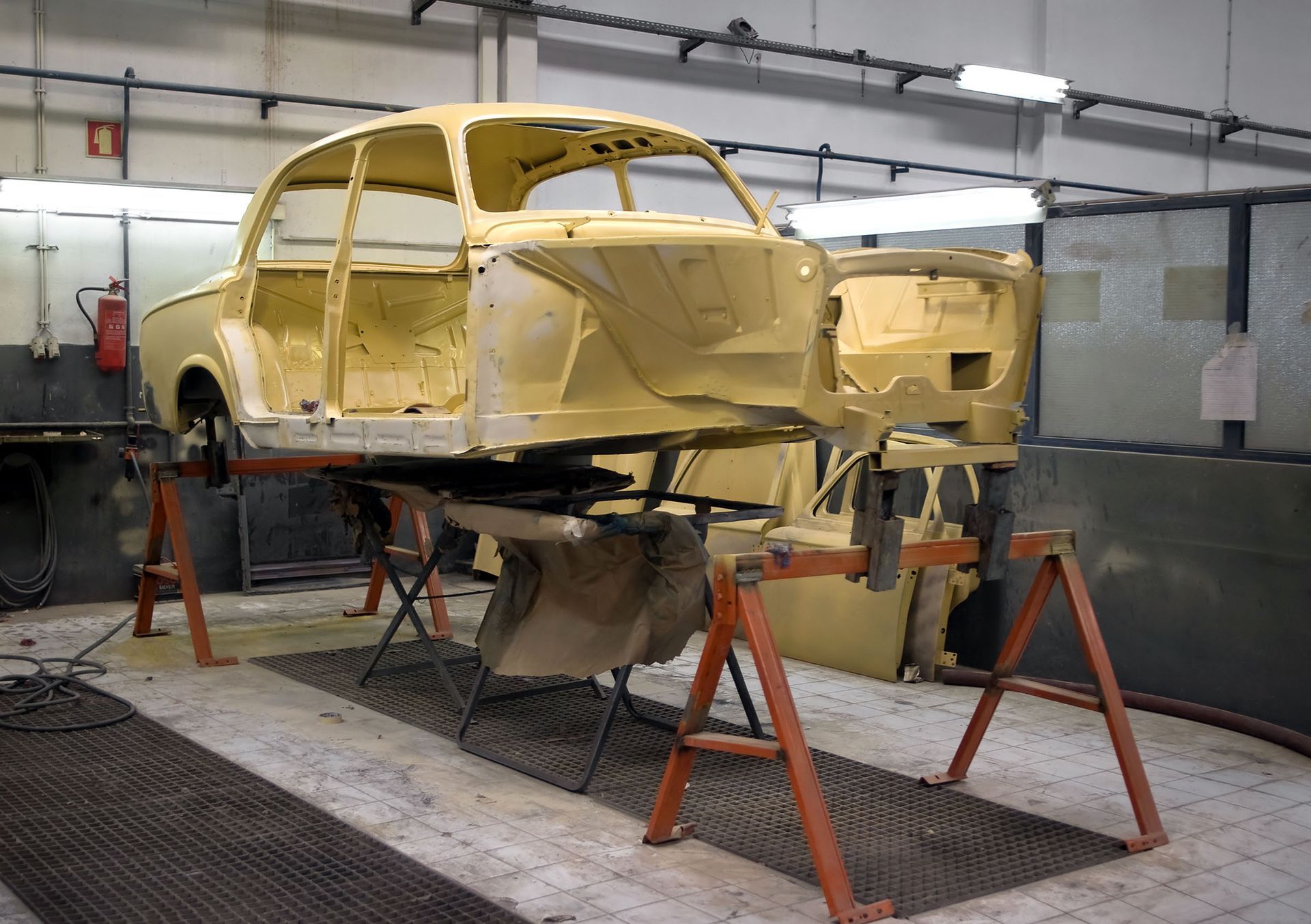
Bodywork is another important consideration. Rust repair, panel replacement, metal fabrication, alignment, and surface preparation can have a major effect on the finished appearance of a classic vehicle. Paintwork should also receive careful attention because achieving a high-quality finish requires extensive preparation.
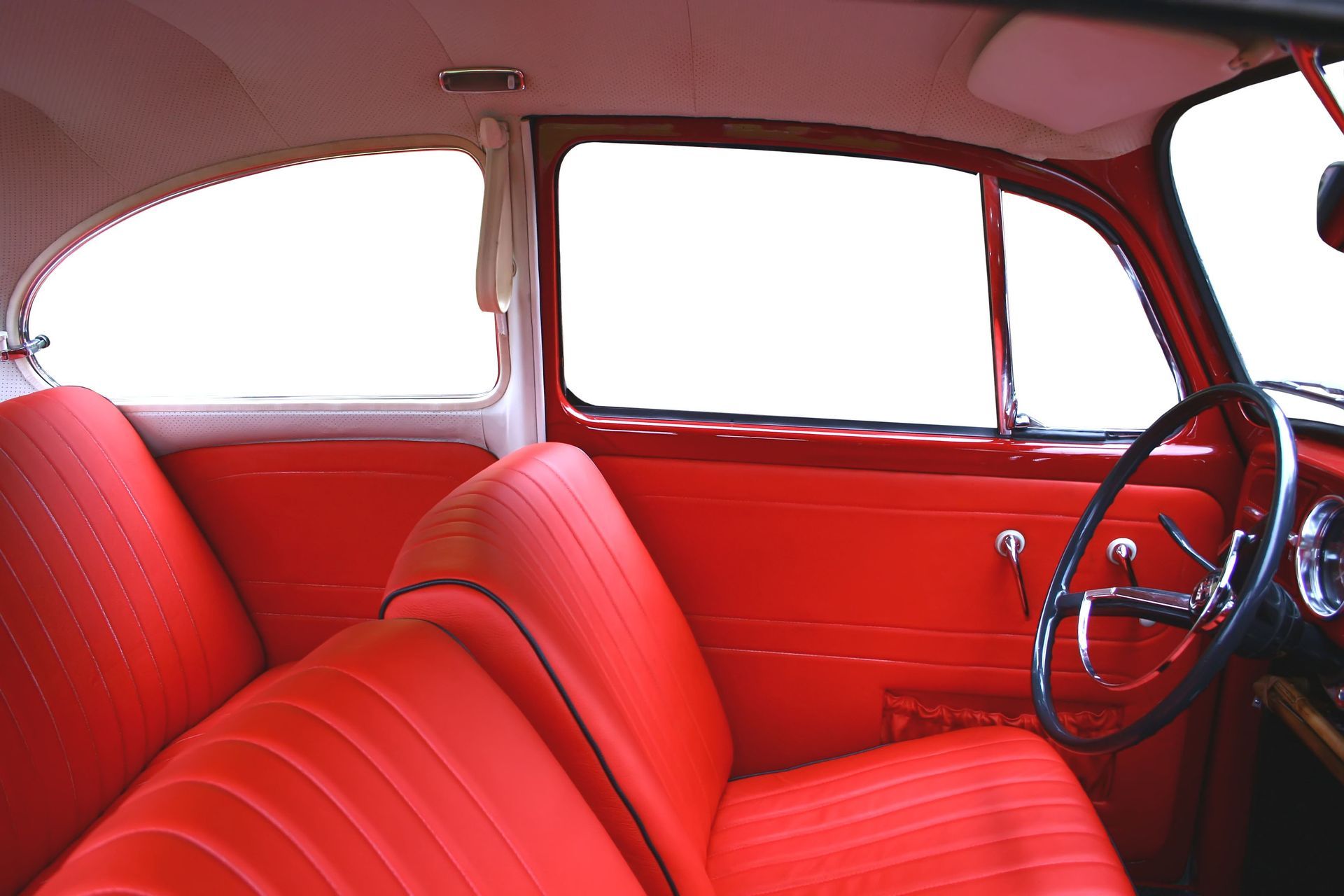
Interior work may include restoring seats, carpets, dashboards, headliners, door panels, and other components. If originality matters to you, ask how the provider approaches replacement materials and whether they can source period-appropriate options.
How Can I Assess the Quality of a Restoration Provider's Previous Work?
One of the best ways to evaluate a classic car restoration service is to examine its previous projects. A portfolio can provide valuable insight into the provider's capabilities, attention to detail, and preferred restoration style. Look for vehicles that are comparable to yours in age, condition, and scope.
Photographs showing multiple stages of a restoration can be particularly helpful. Before-and-after images may reveal how thoroughly a provider addresses rust, body damage, mechanical problems, and other underlying issues. A finished photograph alone may not tell you what happened beneath the paint.
Customer testimonials can provide another perspective. Look for feedback that discusses workmanship, communication, project management, and whether the finished vehicle met expectations. If possible, ask the provider whether you can see a completed project in person or speak with a previous customer.
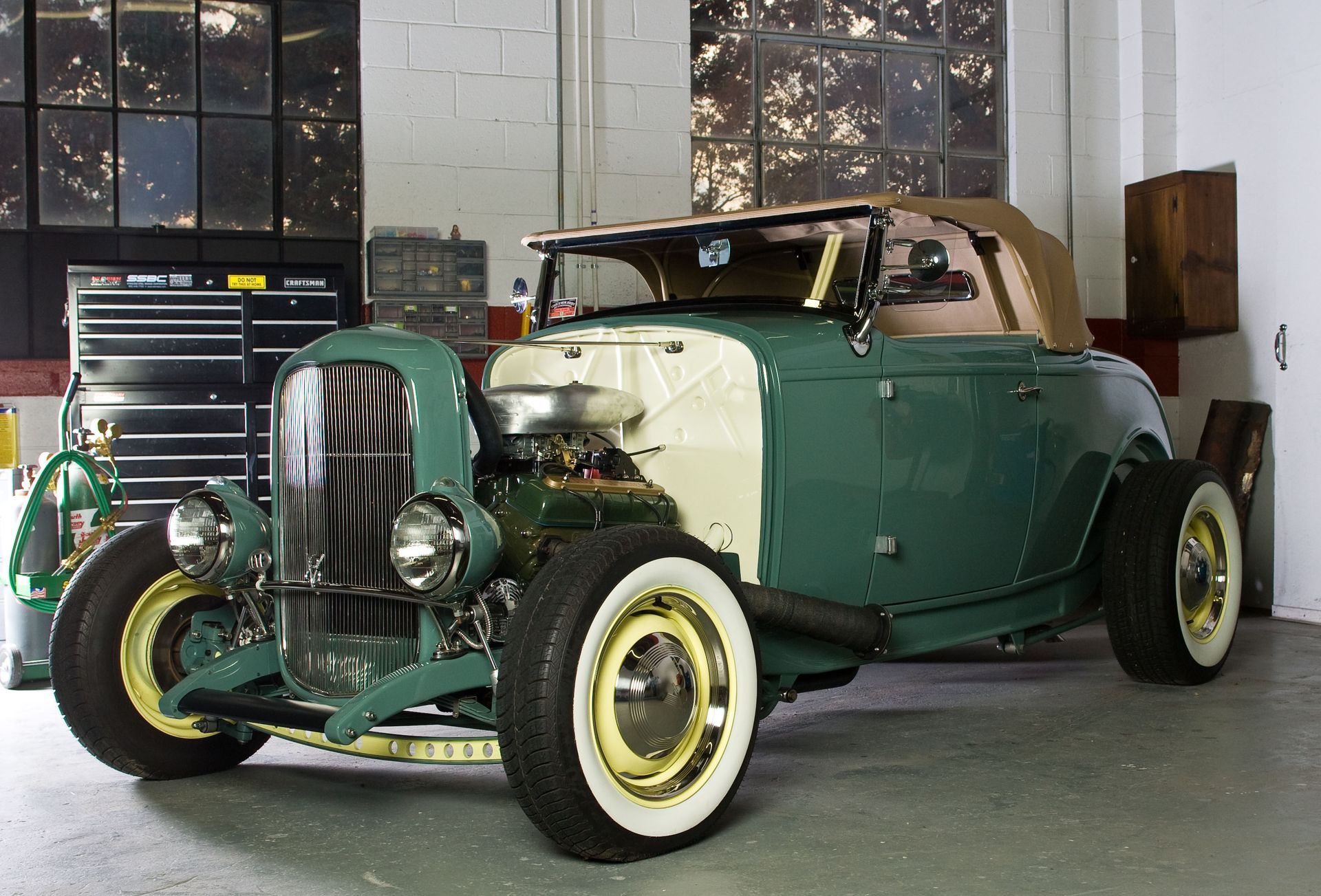
Pay attention to details when reviewing finished vehicles. Panel gaps, paint consistency, trim alignment, interior fitment, engine-bay presentation, and overall cleanliness can reveal a great deal about a shop's standards.
What Is the Typical Cost and Timeline for Classic Car Restoration?
Restoration costs can vary dramatically depending on the vehicle's condition, the desired level of restoration, the availability of parts, and the owner's expectations. A driver-quality restoration will generally require a different investment than a concours-level project intended to meet exceptionally demanding standards.
Parts availability is another major factor. Classic vehicles can require rare engine components, body trim, interior materials, or manufacturer-specific hardware. According to Credence Research, about 70% of classic car owners have completed at least one restoration project, and hidden expenses associated with finding rare engine parts and body trim are frequently responsible for project delays.
This is why a detailed estimate is important before work begins. Ask whether the estimate covers labor, parts, materials, outside services, and potential additional repairs discovered during disassembly. It is also wise to discuss how unexpected expenses will be approved before additional work is performed.
The timeline can be equally difficult to predict. A classic car restoration service may initially provide an estimated completion window, but hidden rust, unavailable components, mechanical problems, and custom fabrication can extend the project. Owners should expect restoration to take time, particularly when pursuing a high level of originality or extensive rebuilding.
How Important Is Communication With Your Restoration Service Provider?
Communication can have a major influence on the restoration experience. Because these projects can involve significant investments of time and money, owners should feel comfortable discussing goals, changes, concerns, and unexpected discoveries with the restoration provider.
Before signing an agreement, establish how often you will receive project updates and which communication methods the shop prefers. Some providers may offer photographs or progress reports throughout the restoration, allowing owners to see what is happening even when they cannot visit the facility.
It is also important to discuss decision-making procedures. During disassembly, a shop may uncover rust, damaged components, previous repairs, or other problems that were not visible during the initial inspection. A clear process for discussing these discoveries can help prevent misunderstandings about costs and scope.
A strong working relationship also involves establishing the desired end result. Tell your restoration provider whether you want a historically accurate vehicle, a reliable weekend driver, a show-quality automobile, or a customized interpretation of the original. These goals can influence everything from component selection to paint and interior choices.
Choosing a professional
classic car restoration service provider requires more than finding a shop that works on old vehicles. Owners should examine a provider's experience, qualifications, range of services, previous projects, pricing structure, estimated timeline, and communication practices before committing to a restoration.
Reviewing completed work and asking detailed questions can help you understand what a provider can realistically deliver. It is equally important to establish expectations about budget, parts sourcing, project changes, and completion dates. While unexpected challenges are common with older vehicles, careful planning and open communication can make the process considerably more manageable.
A quality classic car restoration service should approach each project with an understanding of the vehicle's history and the owner's goals. By researching potential providers thoroughly and selecting one whose capabilities align with your expectations, you can give your classic car a stronger foundation for many more years of enjoyment. If you're looking for a classic car restorer, reach out to the team at Lowcountry Paint, Body & Restoration today!