June 15, 2026
A classic car restoration can be one of the most rewarding automotive projects a person undertakes. There is a unique sense of satisfaction that comes from taking a vehicle that has seen better days and transforming it into something that turns heads and tells a story. Whether the goal is to preserve history, create a weekend cruiser, or build a reliable driver, success starts with careful planning.
Unfortunately, many restoration projects become what enthusiasts often call “project cars” that sit unfinished in garages for years. Unexpected expenses, missing parts, and shifting priorities can quickly derail progress. A successful classic car restoration requires more than passion alone. It takes preparation, organization, and a commitment to following a well-structured plan from start to finish.
Assessing the Vehicle and Its Potential
Before purchasing a vehicle or beginning work, it is important to evaluate its overall condition. While faded paint and worn interiors are easy to spot, hidden rust, structural damage, and mechanical issues can significantly affect the scope of a classic car restoration project. Taking time to inspect the body, frame, engine, and drivetrain helps create a realistic understanding of what lies ahead.
It is also helpful to research the vehicle’s history and market value. Some models have greater collector interest, while others may offer more flexibility for customization. Understanding the vehicle’s significance can help guide restoration decisions and determine whether originality or modernization should be the primary focus.
Seeking advice from experienced restorers or professional shops can provide valuable insight during this stage. An objective opinion often uncovers concerns that may otherwise be overlooked. Starting with accurate information creates a stronger foundation for the entire restoration journey.
Defining the Goals and Budget
Every restoration project should begin with a clear vision. Some enthusiasts dream of building a concours-quality show car, while others want a dependable vehicle they can enjoy on weekends. Defining the desired outcome early prevents confusion and helps keep decisions aligned with long-term objectives.
Budgeting is equally important. A comprehensive financial plan should account for parts, labor, tools, paintwork, and potential surprises. Restoration costs often exceed initial expectations, especially when hidden issues emerge after disassembly. Establishing a realistic budget and including a contingency fund can prevent unnecessary stress later in the process.
When approaching a classic car restoration, it is wise to prioritize spending based on safety and functionality. Structural repairs, suspension work, and drivetrain improvements should generally take precedence over cosmetic upgrades. A thoughtful financial strategy helps maintain momentum and reduces the risk of abandoning the project halfway through.
Planning the Timeline and Process
A restoration project can quickly become overwhelming without a clear plan. Creating a timeline allows owners to break the process into manageable stages and track progress more effectively. Rather than viewing the project as one massive undertaking, it becomes a series of achievable goals.
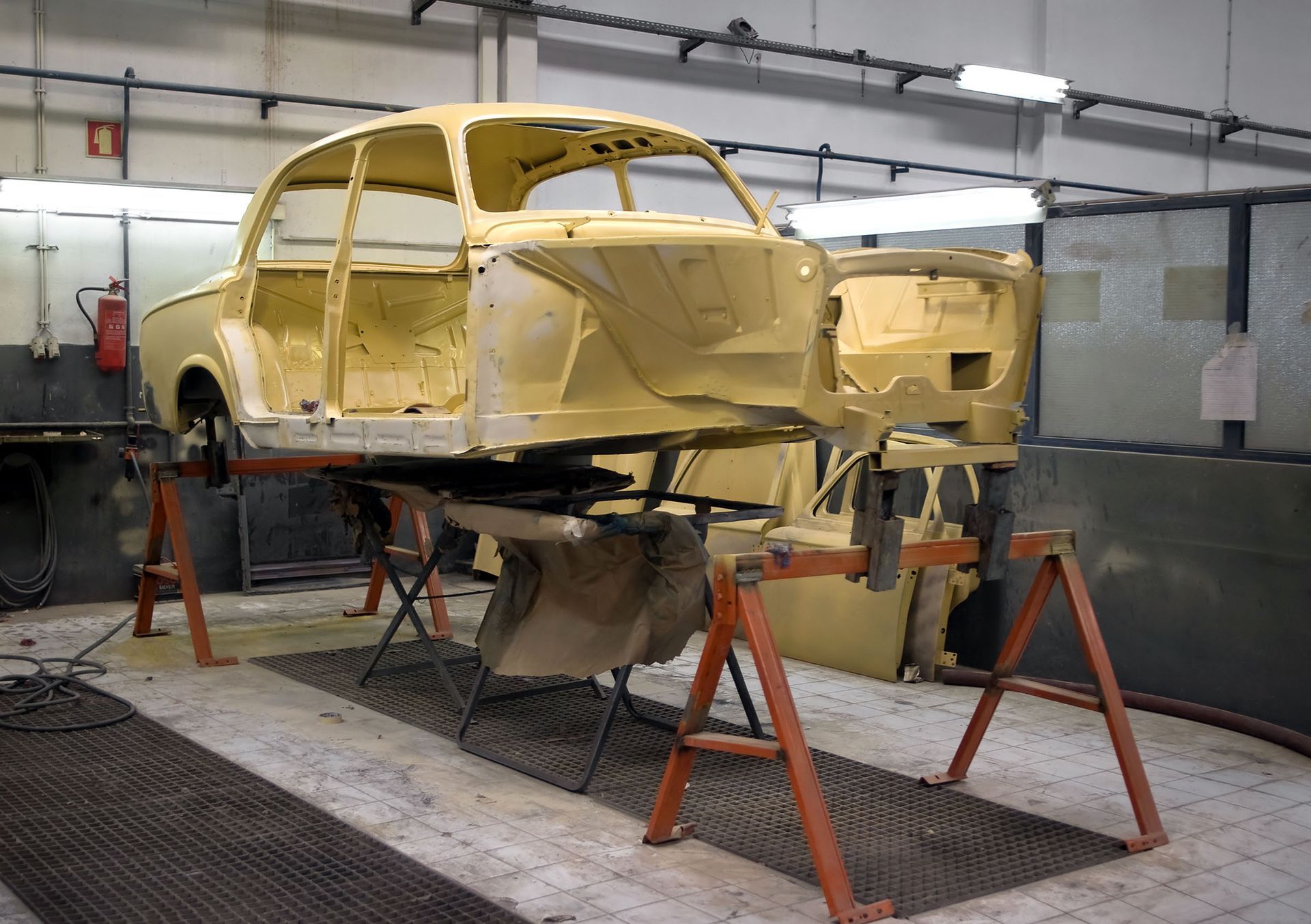
The planning phase should include disassembly, repairs, parts acquisition, painting, reassembly, and testing. Assigning estimated completion dates to each stage provides structure while still allowing flexibility for unexpected delays. While no restoration follows a perfectly predictable schedule, having a roadmap helps maintain focus.
Documentation is another important aspect of planning. Taking photographs, organizing receipts, and maintaining detailed notes can simplify reassembly and provide a valuable record of the work completed. Staying organized often saves countless hours and helps avoid costly mistakes during later stages of the project.
Sourcing the Parts and Materials
Finding quality parts is one of the most challenging aspects of any restoration. Depending on the vehicle, original components may be difficult to locate, while reproduction or aftermarket alternatives can vary significantly in quality. Researching suppliers and comparing options helps ensure the best possible results.
Networking with fellow enthusiasts can be incredibly valuable during this process. Car clubs, online forums, and industry events often provide access to specialized knowledge and hard-to-find parts. Experienced owners are frequently willing to share recommendations that can save both time and money.
Patience is especially important when sourcing components. Rushing purchases may lead to incompatible parts or lower-quality materials that compromise the final outcome. Investing the time to find the right components supports a smoother and more successful classic car restoration overall.
Balancing the Originality and Performance
One of the biggest decisions restorers face is determining how closely the vehicle should reflect its original specifications. Some enthusiasts prefer complete authenticity, preserving every detail exactly as it left the factory. Others choose selective upgrades that improve comfort, reliability, and performance.
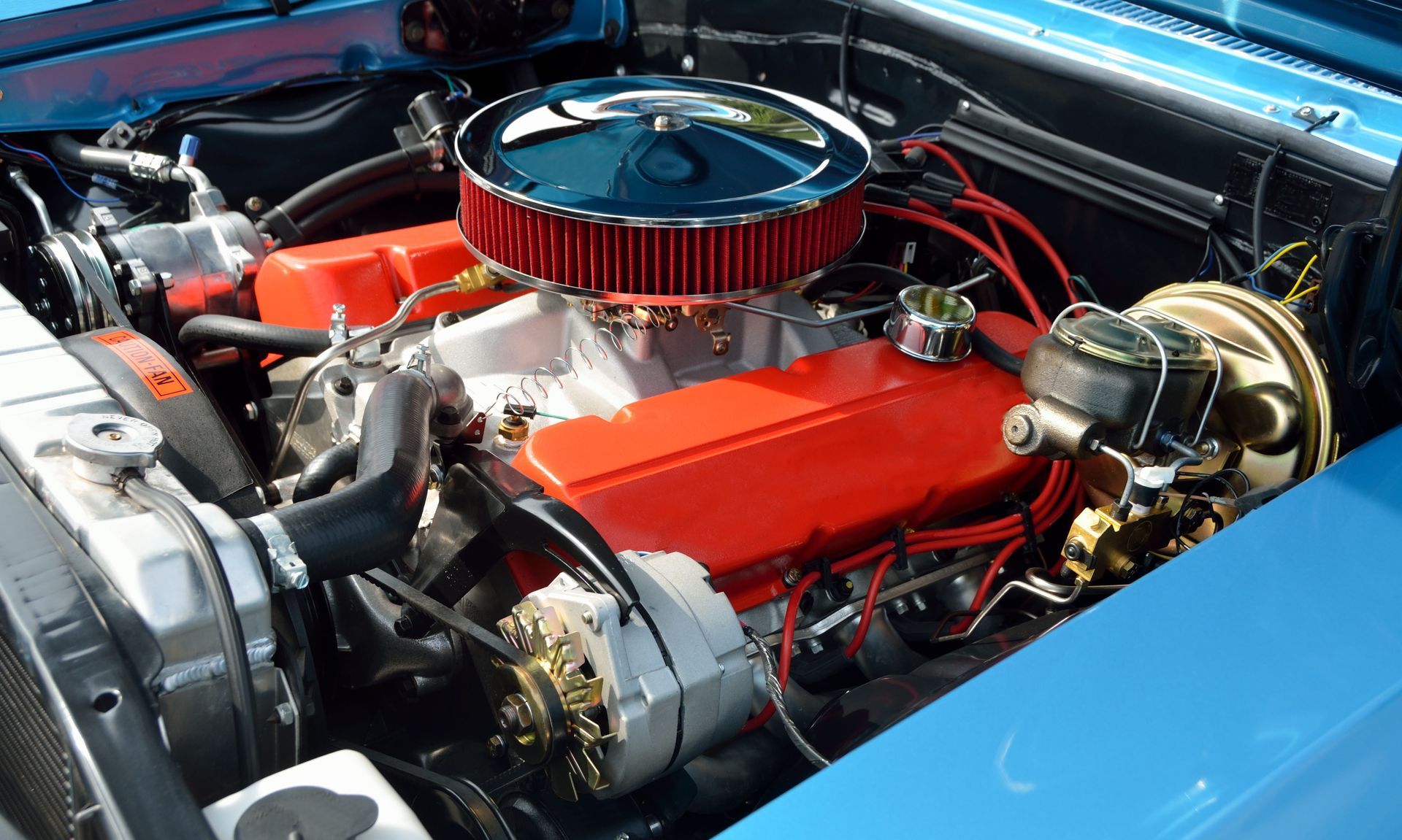
According to the 2024 SEMA Future Trends Report, many younger classic car enthusiasts are placing less emphasis on maintaining 100% stock authenticity and are instead choosing upgrades that improve comfort, reliability, and performance. This shift has helped drive the popularity of restomod projects, which combine classic styling with modern technology. For many owners, the goal is to create a vehicle that retains its vintage appeal while offering a more enjoyable and practical driving experience for regular use.
There is no universal right or wrong approach. The ideal balance depends on the owner's goals, budget, and intended use of the vehicle. Thoughtful upgrades such as improved brakes, updated suspension systems, or modern electrical components can often enhance the driving experience while preserving the vehicle's classic character.
Maintaining the Momentum and Focus
Long-term projects can test even the most dedicated enthusiasts. Maintaining motivation throughout the process is essential for reaching the finish line. Setting smaller milestones creates a sense of accomplishment and helps make the overall project feel more manageable.
Celebrating progress along the way can also boost morale. Completing a major repair, installing a rebuilt engine, or seeing fresh paint applied are all significant achievements worth recognizing. These moments serve as reminders of how far the project has come.
Challenges are inevitable in any restoration. Delays, unexpected expenses, and parts shortages can be frustrating, but flexibility and persistence often make the difference between success and abandonment. Staying focused on the final vision helps overcome temporary setbacks and keeps the project moving forward.
Completing the Restoration and Enjoying The Results
As the project nears completion, attention to detail becomes increasingly important. A thorough inspection of all mechanical systems, electrical components, and safety features helps ensure the vehicle performs as intended. Addressing minor issues before considering the project complete can prevent future problems and enhance reliability.
Documenting the completed restoration provides lasting value. Detailed records, photographs, and maintenance information can support insurance requirements, increase resale value, and preserve the vehicle's story for future owners. Many enthusiasts take pride in showcasing their work at local events or sharing their experiences with fellow hobbyists.
The final stage is perhaps the most rewarding. After months or even years of effort, seeing the vehicle return to the road creates a sense of accomplishment that few projects can match. Driving a restored classic offers a unique connection to automotive history and serves as a reminder that patience and dedication truly pay off.
A successful classic car restoration is built on careful planning, realistic expectations, and consistent effort. From evaluating the vehicle and establishing a budget to sourcing parts and overcoming challenges, every decision contributes to the project's outcome. While the process may present obstacles along the way, a structured approach greatly improves the likelihood of success.
The journey is about more than restoring metal and mechanical components. It is about preserving history, learning valuable skills, and creating memories that last long after the project is complete. Whether the goal is authenticity, performance, or a combination of both, thoughtful planning can help transform a dream vehicle into reality. If you are ready to bring your vision to life, contact Lowcountry Paint, Body & Restoration today to discuss your classic car restoration project.