November 2, 2026
Classic vehicles represent more than transportation. Their designs, mechanical features, and personal histories reflect the eras in which they were built. For many families, an older automobile also carries memories of road trips, celebrations, and time spent together. Preserving these vehicles allows future generations to experience a meaningful connection with automotive history. Their continued preservation also helps keep the craftsmanship and cultural significance of earlier automotive generations alive.
Professional car restoration helps protect aging vehicles while respecting their original character. From addressing deteriorating bodywork to preserving distinctive finishes, restoration requires thoughtful decisions about condition, authenticity, and long-term care. Understanding these benefits explains why preserving an older vehicle can be worthwhile for collectors and families alike.
Preserving Automotive History and Heritage
Protecting Distinctive Vehicle Designs
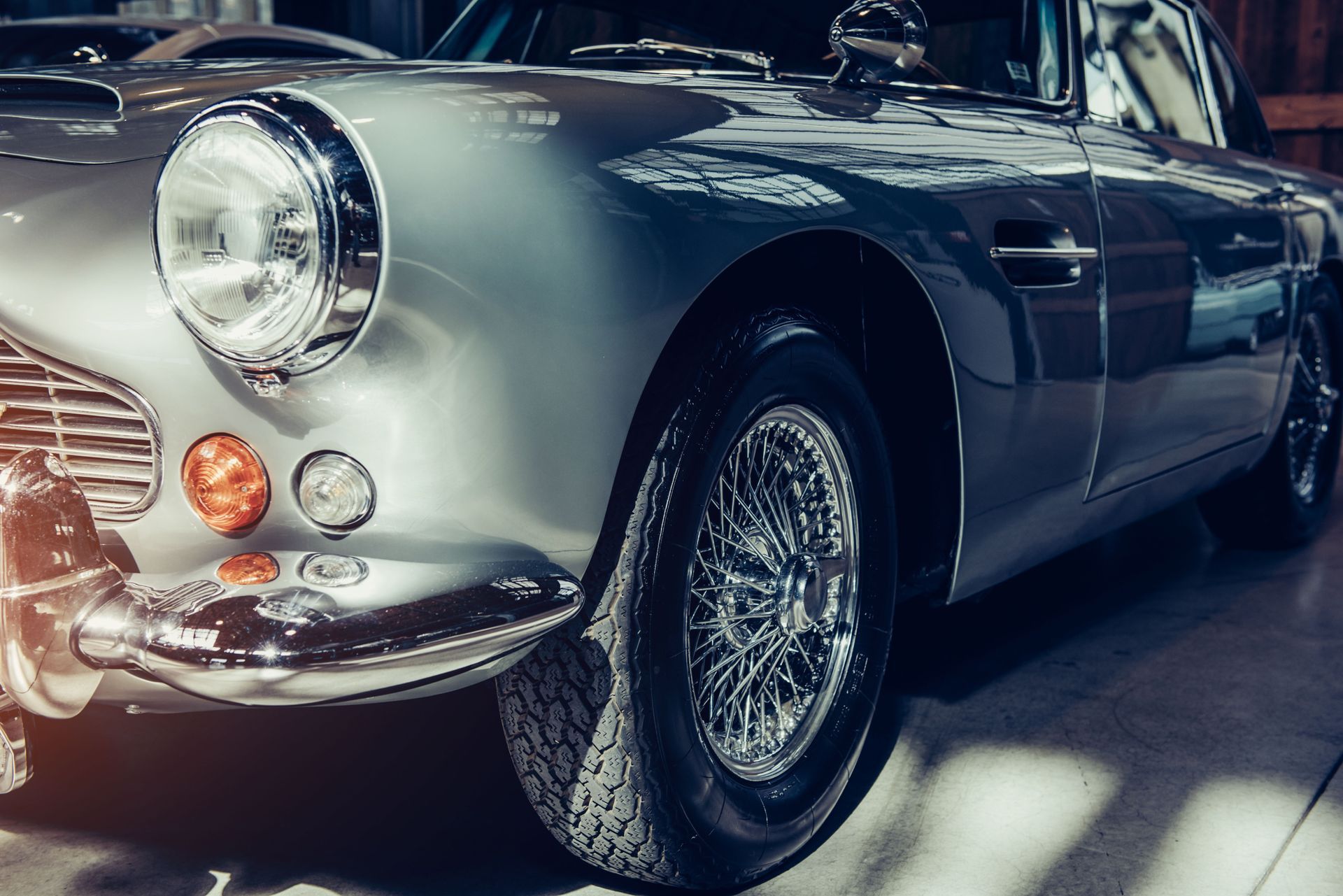
Classic automobiles often feature body shapes, trim details, and styling elements associated with particular manufacturing periods. These characteristics help distinguish one generation of vehicles from another. Preserving original design features allows future enthusiasts to appreciate how automotive appearance evolved over time.
Maintaining Historical Craftsmanship
Older vehicles demonstrate manufacturing techniques and materials that may differ considerably from modern production methods. Their construction provides insight into past engineering priorities and craftsmanship. Professional restoration can help retain these characteristics while addressing deterioration that threatens their condition.
Recognizing Cultural Significance
According to Heritage Insurance's 2026 survey, 92% of respondents believed classic cars deserved protection as part of Britain's cultural heritage. This finding reflects substantial support among surveyed participants for preserving historic automobiles and recognizing their importance beyond everyday transportation.
Supporting Automotive Education
Preserved vehicles can provide valuable examples for museums, exhibitions, and educational events. Visitors may observe design differences and manufacturing developments firsthand. Car restoration contributes to this educational value by helping historic automobiles remain available for future appreciation.
Protecting Original Vehicle Components
Evaluating Existing Bodywork
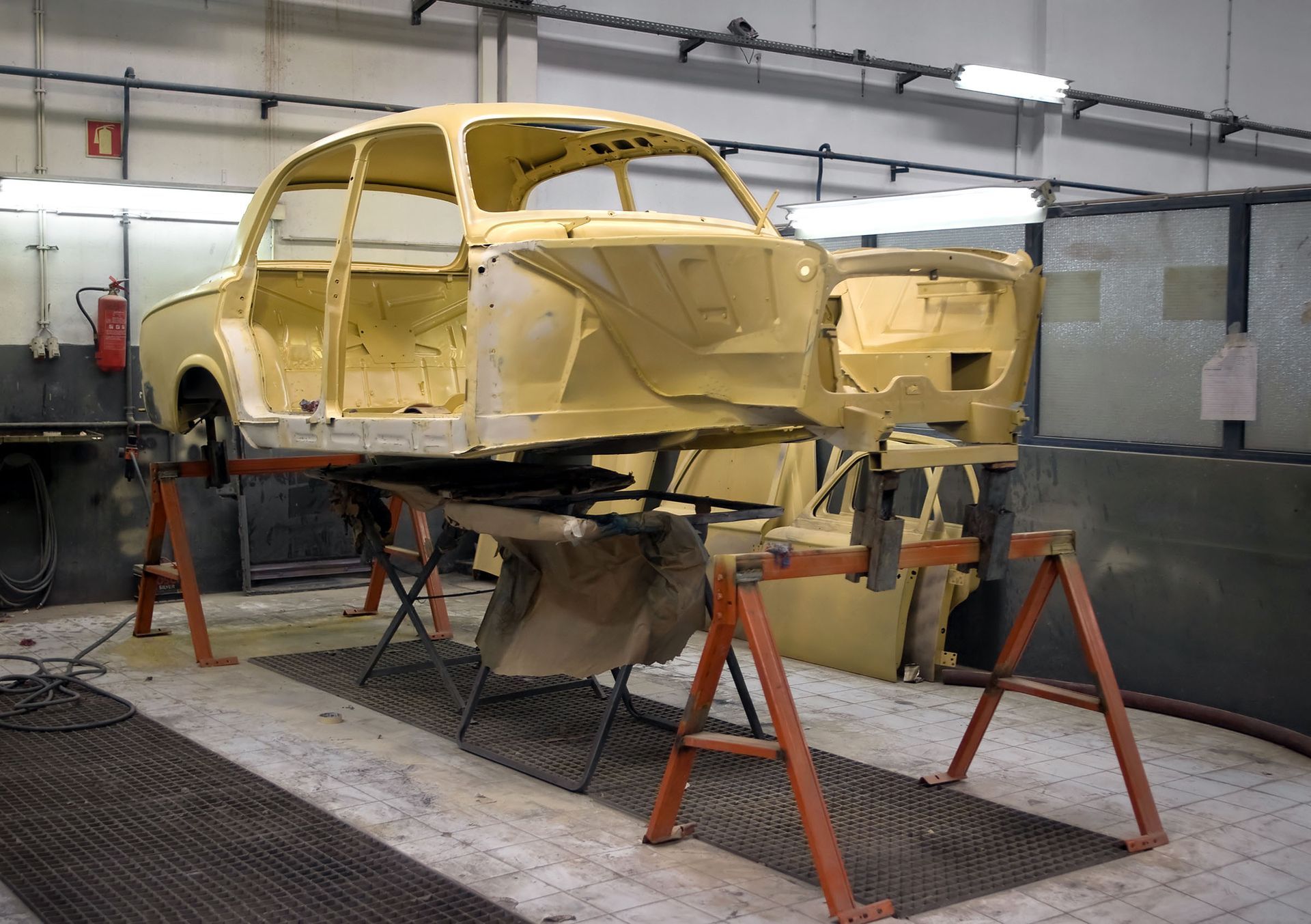
Older body panels may show corrosion, previous repairs, or damage accumulated over decades. Professional assessment helps determine which components can be preserved and which require further attention. Careful evaluation supports decisions that respect the vehicle's original construction.
Preserving Authentic Exterior Details
Badges, moldings, decorative trim, and other exterior features contribute to a classic vehicle's identity. Some original components are difficult to replace because production ended years ago. Preserving serviceable details can help maintain authenticity and historical character.
Addressing Deteriorating Materials
Exposure to moisture, sunlight, and changing temperatures can affect paint, seals, and metal surfaces. Deterioration may become more extensive when underlying problems remain unresolved. Professional attention helps identify conditions that threaten the vehicle's appearance and structural integrity.
Respecting Original Specifications
Some owners prioritize factory-correct finishes and components, while others prefer period-appropriate modifications. Restoration planning should reflect the vehicle's history and the owner's goals. Experienced professionals can explain how different choices may affect originality and presentation.
Extending the Vehicle's Useful Life
Addressing Existing Structural Concerns
Corrosion and previous collision damage can compromise important areas of an aging vehicle. A qualified professional can evaluate visible concerns and recommend appropriate repairs. Structural work deserves particular attention because appearance alone cannot establish whether a vehicle is safe to operate.
Reducing Progressive Surface Damage
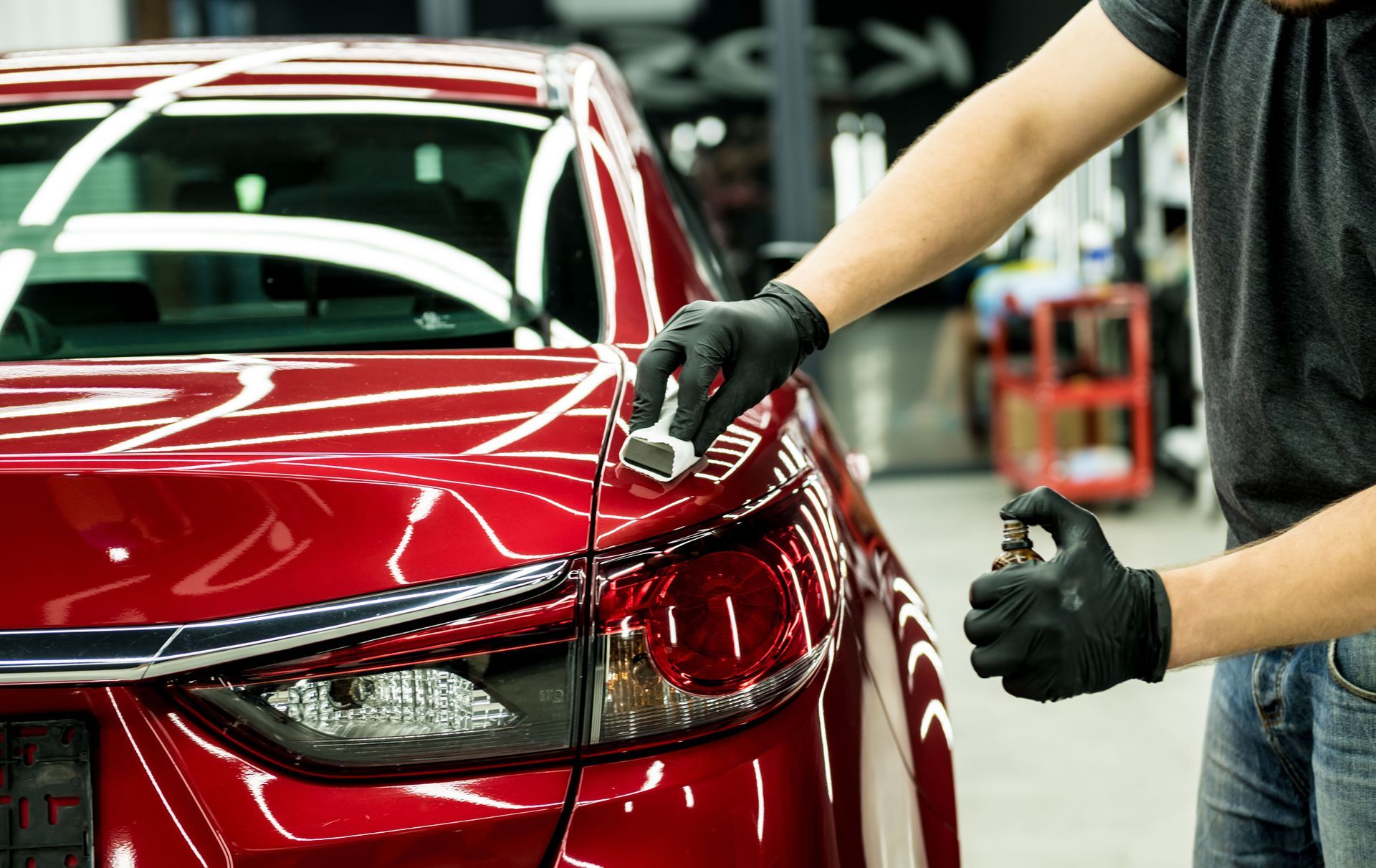
Small areas of paint deterioration may expose underlying materials to moisture and environmental conditions. When neglected, these problems can become more extensive. Car restoration may include professional surface repairs intended to protect vulnerable areas and improve overall condition.
Improving Long-Term Storage Readiness
Vehicles preserved for occasional use or display still require appropriate care. Storage conditions can influence corrosion, interior deterioration, and other age-related problems. Owners benefit from discussing preservation requirements with qualified professionals familiar with older automobiles.
Supporting Continued Vehicle Enjoyment
A well-preserved classic automobile may remain suitable for exhibitions, organized events, or occasional driving when properly maintained and mechanically sound. Restoration does not guarantee reliability or roadworthiness. Necessary inspections and mechanical evaluations remain important before operation.
Preserving Family Memories and Connections
Honoring Meaningful Ownership Histories
A vehicle passed between family members may carry stories that extend across generations. Its value can come from personal experiences rather than market demand. Preserving the automobile provides a tangible connection to relatives and important moments from the past.
Maintaining Recognizable Family Features
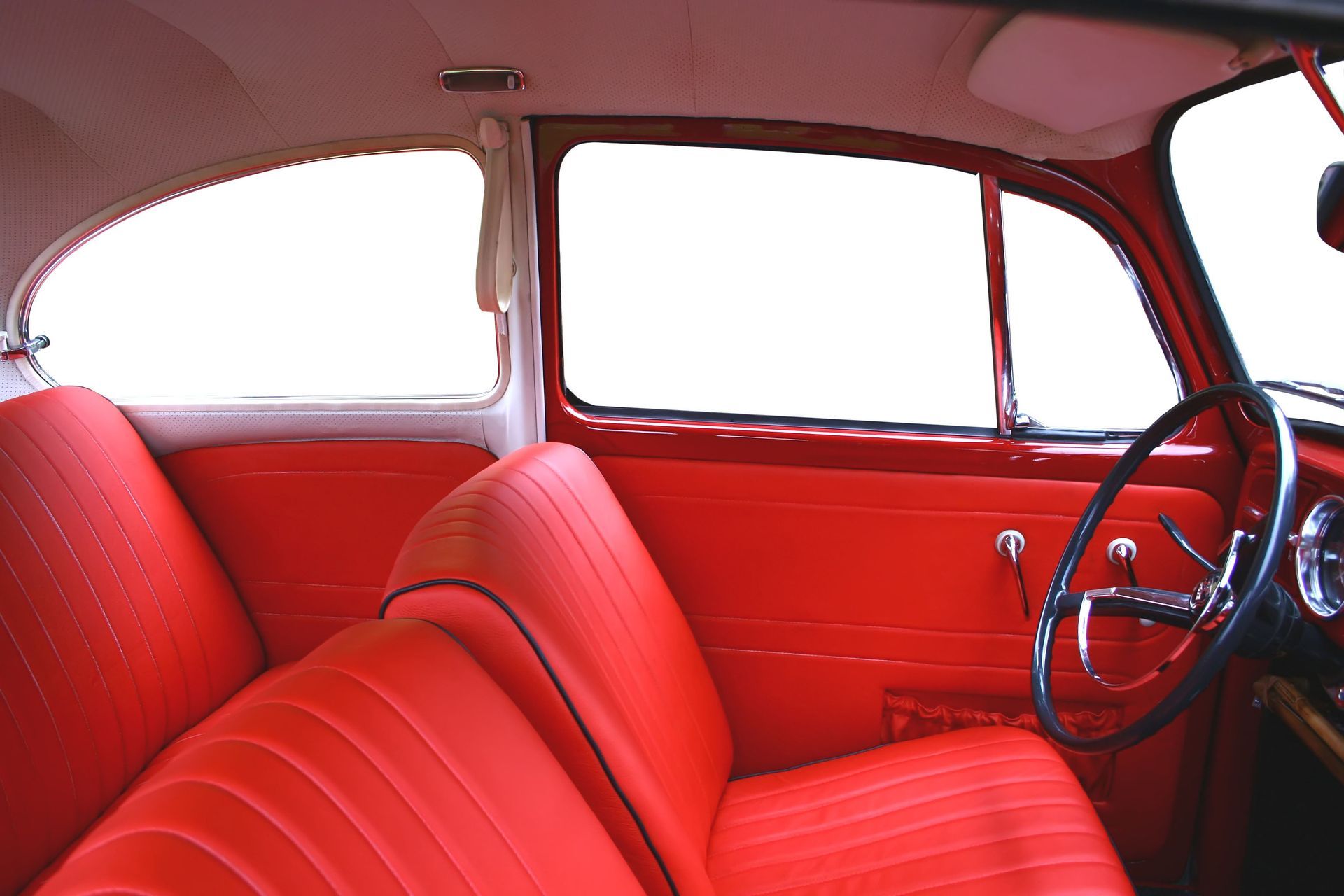
Original colors, distinctive trim, and familiar interior details may hold particular meaning for longtime owners. Changing these elements without consideration can alter the vehicle's emotional significance. Thoughtful restoration balances necessary improvements with the features families remember.
Creating Opportunities for Shared Experiences
Classic vehicles can bring relatives together through shows, community gatherings, and conversations about family history. Younger generations may develop an appreciation for automotive heritage through these experiences. Car restoration helps make such connections possible by preserving vehicles with personal significance.
Passing Along Documented Vehicle Stories
Photographs, ownership records, and accounts of previous repairs can add meaning to a preserved automobile. Keeping this information organized helps future owners understand its background. Documentation can also provide useful context when additional professional work becomes necessary.
Maintaining Long-Term Collector Appeal
Recognizing the Importance of Condition
Vehicle condition can influence collector interest, although preferences vary considerably. Bodywork, originality, documentation, and mechanical condition may all affect how an automobile is evaluated. Professional restoration can address certain concerns without guaranteeing increased market value.
Considering Appropriate Restoration Goals
Not every classic vehicle requires a complete restoration. Some owners prefer conserving original finishes, while others pursue more extensive improvements. The appropriate approach depends on existing condition, historical significance, available resources, and intended use.
Documenting Professional Restoration Work
Records of completed repairs, materials, and photographs can help explain a vehicle's restoration history. This information may be useful during future maintenance or ownership transfers. Clear documentation supports transparency about which components remain original and which have been replaced.
Balancing Investment With Personal Value
Restoration expenses can exceed a vehicle's eventual resale value, particularly when extensive repairs are necessary. Owners should consider personal enjoyment alongside financial expectations. Car restoration is often most meaningful when the goal includes preservation rather than profit alone.
Supporting Responsible Long-Term Preservation
Evaluating Future Maintenance Needs
Older automobiles require continued attention after restoration work is completed. Materials age, mechanical components wear, and storage conditions change. Understanding likely maintenance requirements helps owners plan for the responsibilities associated with preserving a classic vehicle.
Considering Suitable Preservation Methods
Different vehicles require different approaches depending on age, materials, and condition. Professional guidance can help owners understand appropriate preservation options. Decisions should account for authenticity, intended use, and the potential consequences of altering original components.
Coordinating Specialized Professional Services
Some projects involve bodywork, refinishing, mechanical systems, and other specialized disciplines. Coordinating qualified professionals helps ensure that separate improvements support the overall preservation plan. Clear communication also reduces misunderstandings about project scope and expected results.
Preparing for Future Ownership
Preservation planning can make a classic vehicle easier for future generations to understand and maintain. Records, realistic maintenance expectations, and thoughtful restoration choices all contribute. Professional car restoration helps protect the vehicle's condition while respecting its history.
Preserving a classic automobile means protecting more than its appearance. Original craftsmanship, family memories, historical significance, and collector interest all contribute to its lasting importance. Thoughtful restoration can address deterioration while maintaining the characteristics that make each vehicle distinctive.
Ready to preserve a classic vehicle for future generations? Contact Lowcountry Paint, Body & Restoration to discuss your goals with our team. We can review your vehicle's condition, explain available car restoration options, and help you explore an approach that respects its history and long-term value.