October 23, 2026
A comprehensive restoration goes far beyond paint application and structural bodywork; the cabin and trim define a vehicle's true character, historical authenticity, and sensory appeal. Restoring these components requires a delicate balance of period-correct craftsmanship, specialized trade skills, and precise engineering. High-caliber interior work directly influences collector interest and long-term resale potential, transforming a vintage automobile into an exceptional piece of living history. Every stitch, texture, and polished surface tells a distinct story of engineering heritage that resonates with discerning enthusiasts worldwide.
Understanding every nuance of original upholstery, stitching patterns, and dash layouts ensures that the vehicle retains its factory-fresh appearance. Every detail contributes significantly to the driving experience and overall market valuation, making expert craftsmanship in these specialized areas indispensable for serious collectors, automotive historians, and enthusiasts alike. The interior serves as the primary point of physical contact between the driver and the machine, making its execution critical to the overall success of any project.
Understanding Classic Car Interior Restoration
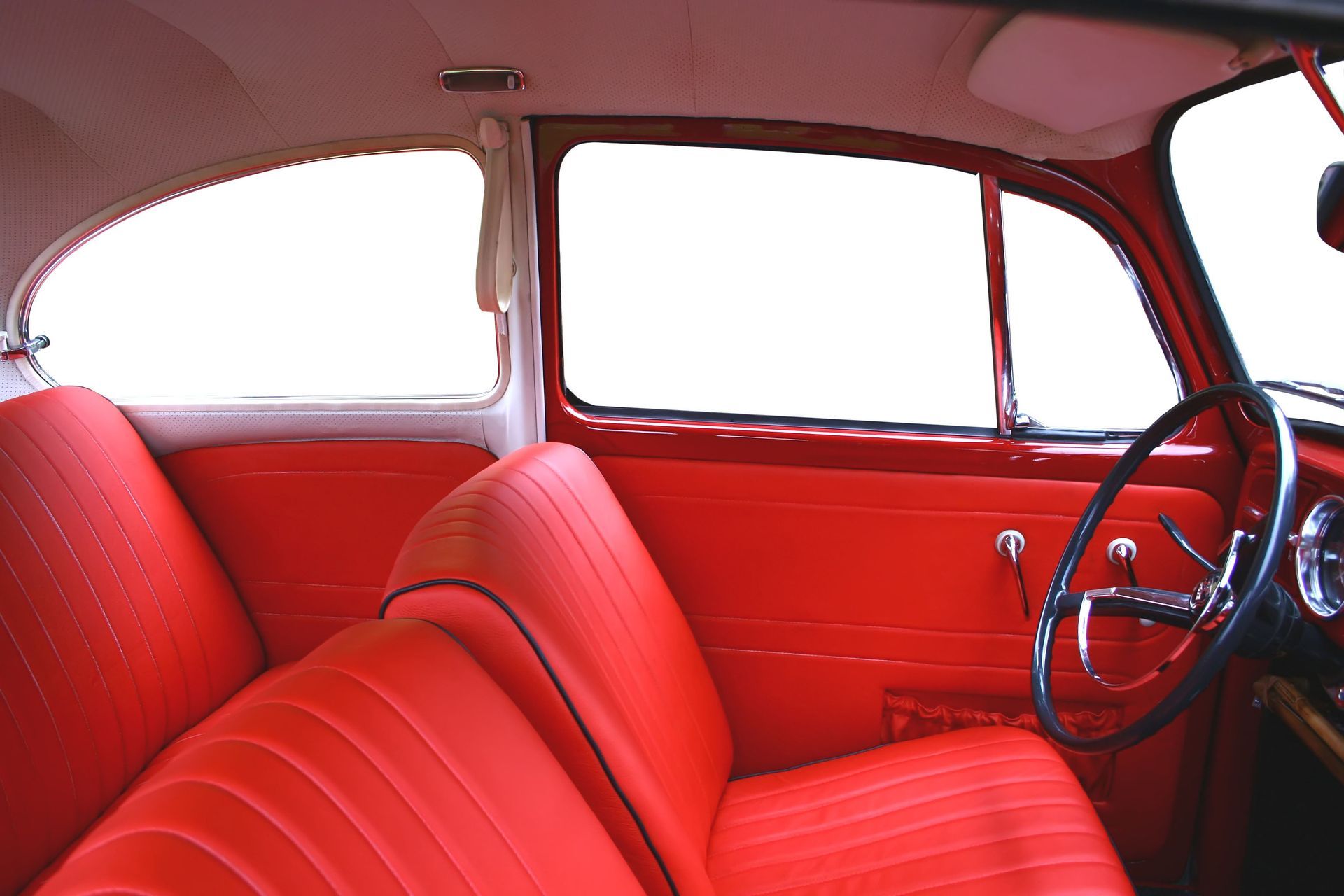
Achieving true authenticity in classic car restorations involves recreating factory-original conditions through meticulous historical research and dedicated craftsmanship. Artisans must carefully inspect original build sheets, factory archives, and period documentation to match grain textures, thread types, and original stitching techniques. Selecting correct materials, whether specialized woven fabrics, era-appropriate leather hides, or original wood species, ensures that the cabin remains historically accurate and maintains its original prestige across every surface.
Skilled craftsmanship acts as the fundamental foundation for bringing vintage cabins back to life. Master restorers utilize traditional hand-tooling techniques alongside subtle modern enhancements, such as digital pattern scanning or 3D-printed inner structural components. This fusion allows for improved structural durability and fitment precision without compromising the visual or historical integrity of the automobile. Every door panel, headliner, and carpeting segment must be fitted with exact symmetry to mirror factory standards and eliminate unsightly gaps or binding.
Sourcing vintage materials often presents significant logistical challenges, requiring extensive networks of specialized suppliers, tannery partners, and custom textile manufacturers. Overcoming these sourcing obstacles is necessary to preserve historical value, as improper, synthetic, or modern-looking replacements can severely diminish both collector appeal and overall vehicle appraisal. Successful interior rebuilds rely on this unwavering commitment to material accuracy, ensuring that every panel reflects exact historical specs.
Evaluating Premium Materials and Capital Investments
Selecting top-tier materials directly impacts visual refinement, tactile comfort, and structural longevity. Premium full-grain leathers, exotic woods like walnut or mahogany, and period-correct woven fabrics provide superior resistance to wear compared to budget alternatives. These superior materials ensure the interior withstands environmental exposure, UV radiation, and physical use over extended periods, keeping the cabin pristine for future generations while retaining its distinct aroma and tactile warmth.
Beyond immediate aesthetic appeal, high-grade cabin upgrades offer compelling financial advantages for owners. According to Market Research Future, classic car values have appreciated by an average of 10% annually over the last decade, reinforcing the trend of owners viewing a high-quality restoration as a stable alternative investment. Investing in authentic, premium-grade upholstery and precise brightwork directly correlates with top-tier auction pricing and strong market demand among international collectors seeking investment-grade assets.
Balancing modern comfort with vintage aesthetics is another major advantage of high-end material selection. Modern sound-dampening layers, subtle climate control integrations, and ergonomic foam cushions can be hidden discreetly beneath period-correct leather or fabric. This seamless integration enhances drivability and overall owner satisfaction without altering the original cabin appearance, compromising factory ergonomics, or violating historical preservation guidelines.
Executing Precision Trim Work and Finishing Details
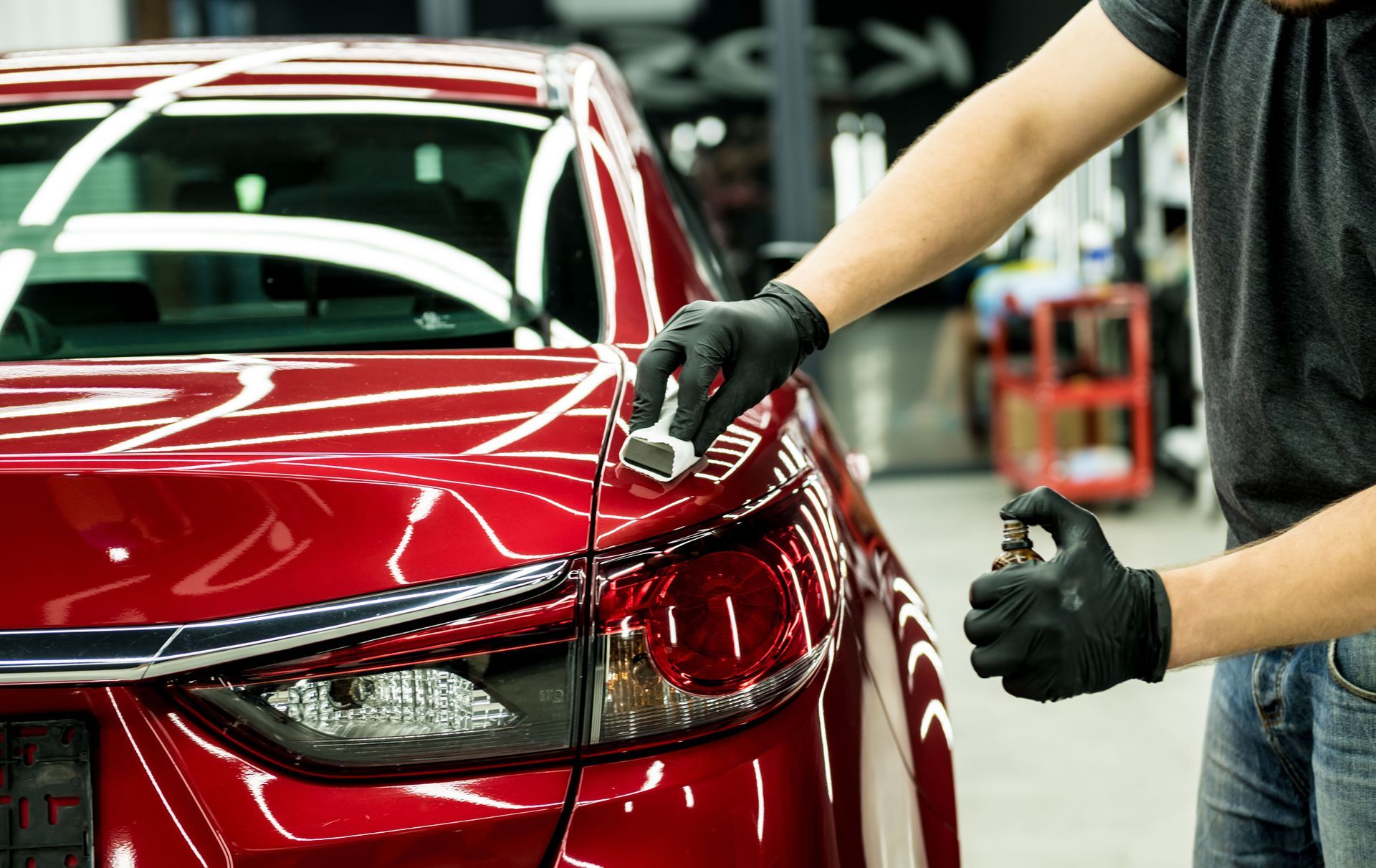
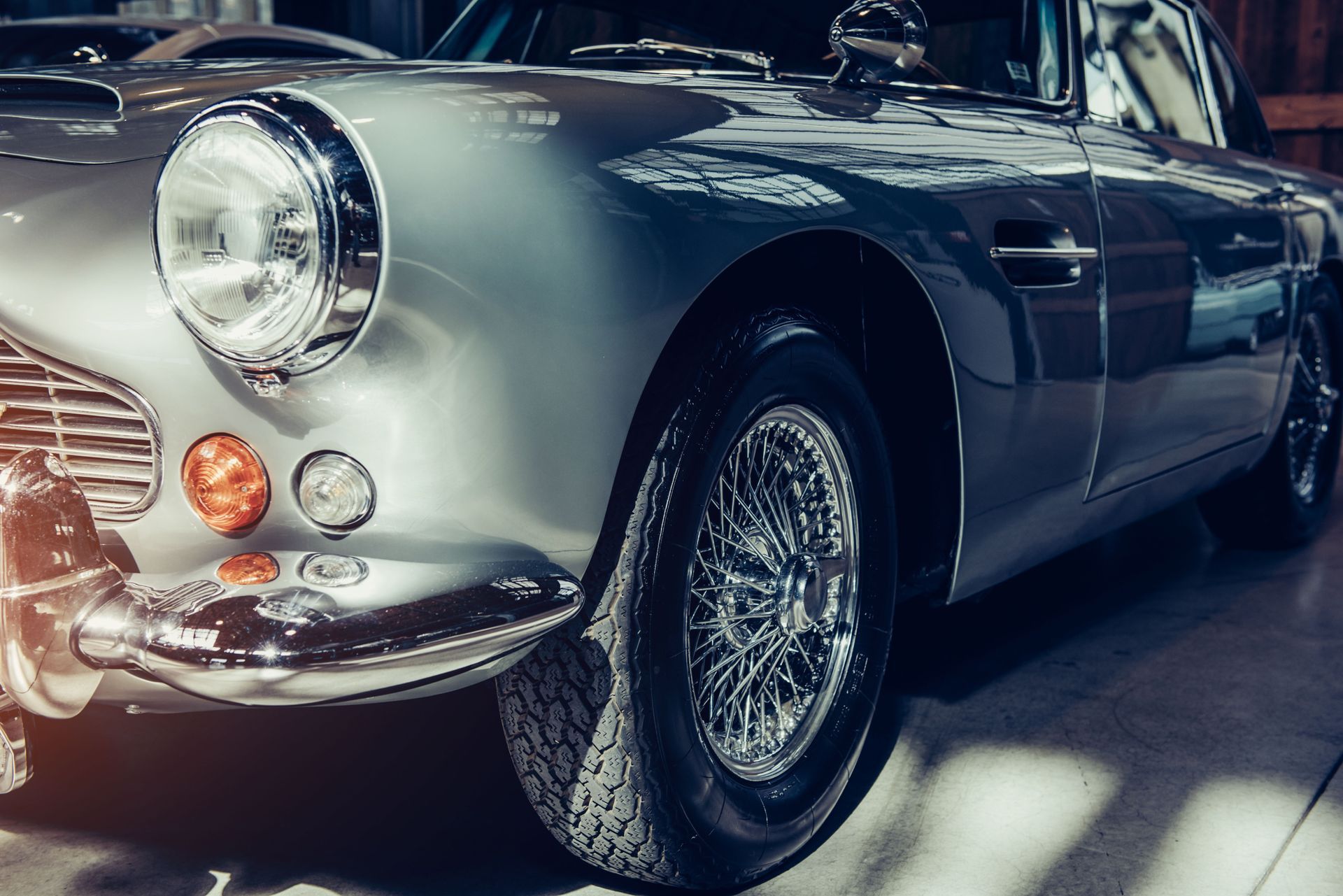
Precision trim detailing defines the overall visual crispness of both exterior and interior classic car restorations. Artisans meticulously align, straighten, and mount intricate stainless steel, aluminum, and wooden trim pieces to ensure flawless body lines and tight margins. Hand-polishing and re-chroming processes eliminate pitting, scratches, and age-related imperfections, delivering a brilliant luster that catches the light naturally across every angle of the bodywork and dashboard highlights.
Restorers frequently face the strategic choice between restoring original trim or replacing it with modern reproduction parts. Preserving factory original trim through skilled metal straightening, filing, and re-plating is generally preferred for high-value classic car restorations, as it safeguards genuine factory provenance and original casting marks. When original components are damaged beyond repair or missing entirely, exact period-correct fabrications must be sourced or custom-machined to preserve visual continuity and mechanical fit.
The final finishing touches require an extraordinary eye for detail, deep patience, and methodical bench assembly. Micro-adjustments to dash bezels, instrument clusters, window cranks, door handles, and exterior brightwork guarantee uniform panel gaps and smooth mechanical operation. These meticulous finishing steps elevate a standard refurbishing project to an award-winning showcase entry capable of competing at premier automotive events and international concours exhibitions.
Overcoming Complex Challenges in Custom Restoration Projects
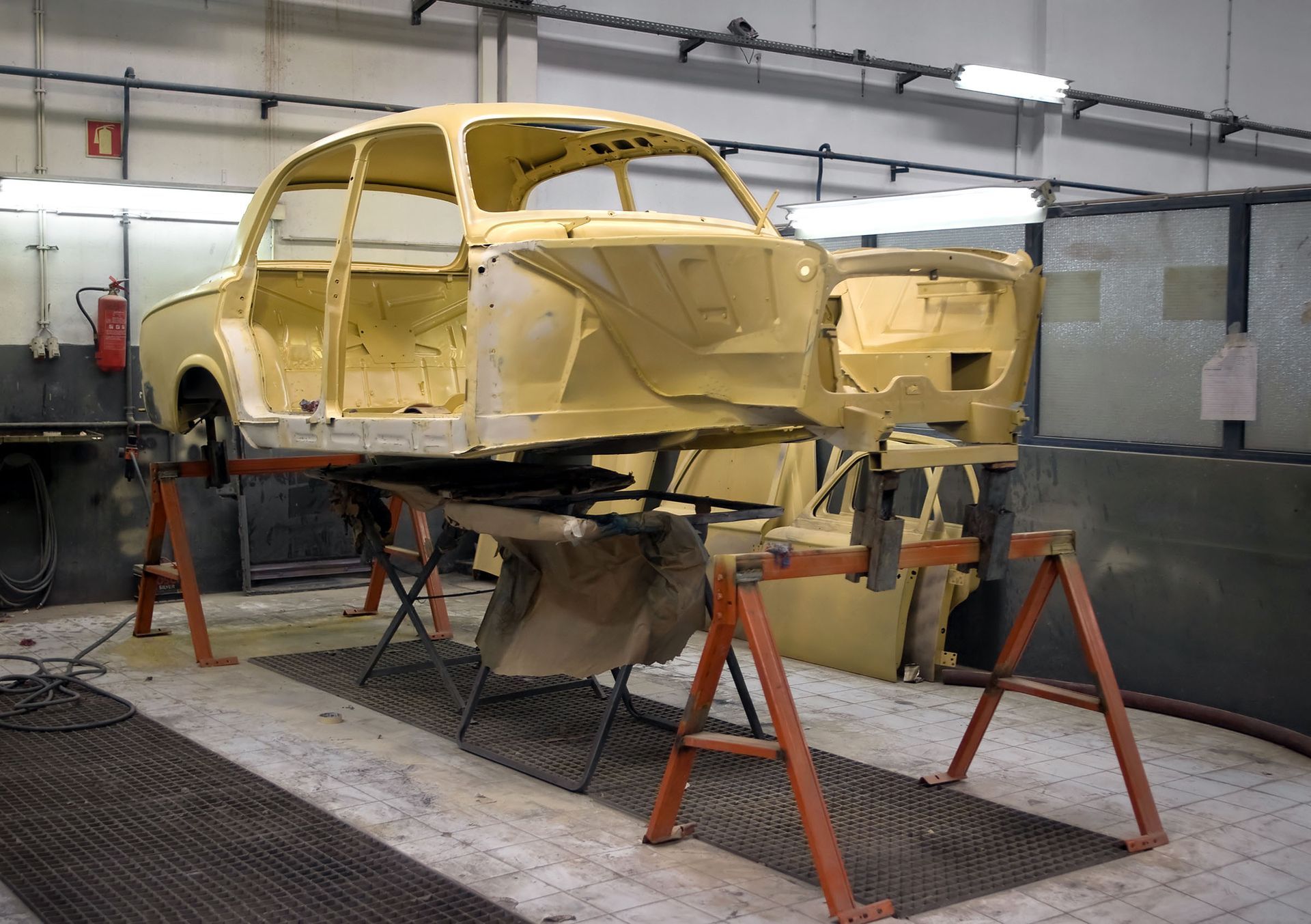
Restoring vintage interiors presents several persistent challenges, particularly regarding severe wear, degraded original sub-frames, rusted seat tracks, and missing component documentation. Decades of atmospheric exposure and UV rays often leave fabrics brittle, foam padding disintegrated, and metal trim heavily oxidized. Reversing this level of deterioration requires deep reconditioning, custom metal fabrication, structural welding, and specialized panel reconstruction techniques tailored to each specific era.
Managing strict project timelines and material costs demands strategic planning and clear project scope definition from day one. Authentic parts, NOS (New Old Stock) components, and rare imported hides are costly and time-consuming to acquire, requiring open communication between vehicle owners and restoration professionals. Establishing clear priorities helps maintain project momentum without compromising on build quality, structural safety, or historical correctness during the rebuild.
Maintaining complete originality while incorporating functional safety improvements is a continuous balancing act for modern builders. Upgrades such as modern audio systems, reinforced lap belts, or power steering conversions are engineered to be completely reversible or hidden from plain sight. This thoughtful approach preserves historical integrity while offering owners contemporary safety, improved driving dynamics, and peace of mind during long-distance driving tours.
Adopting Future Innovations and Sustainable Practices
The future of vintage automotive care is being reshaped by technological advancements, advanced manufacturing techniques, and sustainable material science. Sustainable, eco-conscious leather tanning processes and high-durability synthetic weaves are entering the restoration sector, offering environmentally responsible alternatives that mirror period-correct textures and durability standards without sacrificing aesthetic appeal, structural integrity, or authentic tactile feel under daily use conditions.
Advanced manufacturing tools like 3D printing, high-resolution laser scanning, and CNC milling allow restorers to re-engineer obsolete trim clips, dash knobs, lens covers, and hard-to-find brackets with exact precision. These modern technologies streamline the overall restoration pipeline, reducing turnaround times for custom fabrications while making complex cabin rebuilds significantly more efficient. As a result, exceptionally rare, low-production, or one-off historic models can remain fully operational, pristine, and beautifully detailed on the road for years to come.
Despite these impressive technical innovations, the irreplaceable expertise of master artisans remains the heartbeat of professional classic car restorations. Human skill, tactile intuition, deep historical knowledge, and decades of hands-on dedication to traditional craftsmanship ensure that vintage automobiles continue to serve as enduring symbols of automotive heritage and functional art that inspire coming generations of enthusiasts.
Premium interior and trim work serve as the ultimate statement of quality in any vintage vehicle project, combining historical authenticity, refined luxury, and long-term financial growth. For more information about the services that we offer, reach out to our incredible team at Lowcountry Paint, Body & Restoration today!